
Fear of Loss and the Investor’s Choice
Rich Dad Poor DadThis thread traces how fear of losing money shapes investment behavior and how the book frames resilience, analysis, and risk awareness as competing responses.
increasing Bearing strength in each event
 decreasing
Bearing strength in each eventdecreasingThe Universal Fear

Loss Feels Personal
A Common Anxiety
The book begins its discussion by acknowledging that almost nobody enjoys losing money. Even wealthy investors experience fear, so fear itself is not presented as proof of weakness.
The Defining Difference
The issue becomes how people respond to the possibility of loss. The book contrasts learning from failure with avoiding every situation in which failure could occur.
Safe Habits and Delayed Starts

Time as an Advantage
Small Beginnings
The book argues that starting early can make gradual saving and investment more manageable for people who dislike risk. Its example of compounding stresses time rather than a sudden financial breakthrough.
Planning as a Response
Retirement accounts and professional guidance are presented as possible tools for cautious investors. The emphasis is on beginning to prepare, not pretending that risk can be eliminated.
The Texas Attitude
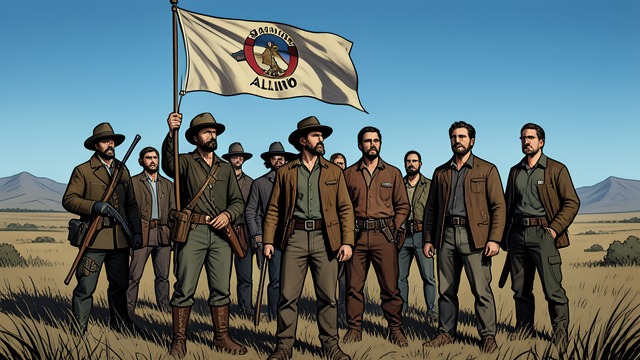
Failure Reframed
Bigger Stakes
Rich Dad uses Texas stories to describe an attitude that can accept visible failure without treating it as permanent defeat. His example is meant to distinguish hatred of losing from terror of trying.
A Rallying Memory
The Alamo becomes an emblem of defeat remembered as a source of resolve. The metaphor asks readers to decide whether a loss will end effort or sharpen it.
The Safe Portfolio

Playing Not to Lose
Caution’s Appeal
The book describes diversified funds and conservative investments as reassuring choices for people with little time or confidence. It acknowledges that such an approach may be better than having no plan.
A Challenge to the Reader
Robert argues that people seeking faster growth may need focus, though this is a claim about his philosophy rather than a universal rule. The argument raises tension between risk tolerance and ambition.
Analysis After Setback

Failure as Information
A Choice After Loss
The book urges readers to distinguish a setback that teaches from one that simply overwhelms them. Its examples encourage preparation, study, and a deliberate response rather than denial.
Risk Remains Real
The thread does not resolve by promising that courage prevents losses. Instead, it argues that judgment and learning can change what people do after a loss occurs.
At the start of the obstacles chapter
In the discussion of saving and starting early
When Rich Dad tells stories about Texas
In the argument about balanced investing
Near the close of the obstacles chapter
